How to Choose the Right Legacy Modernization Company for Your Digital Transformation
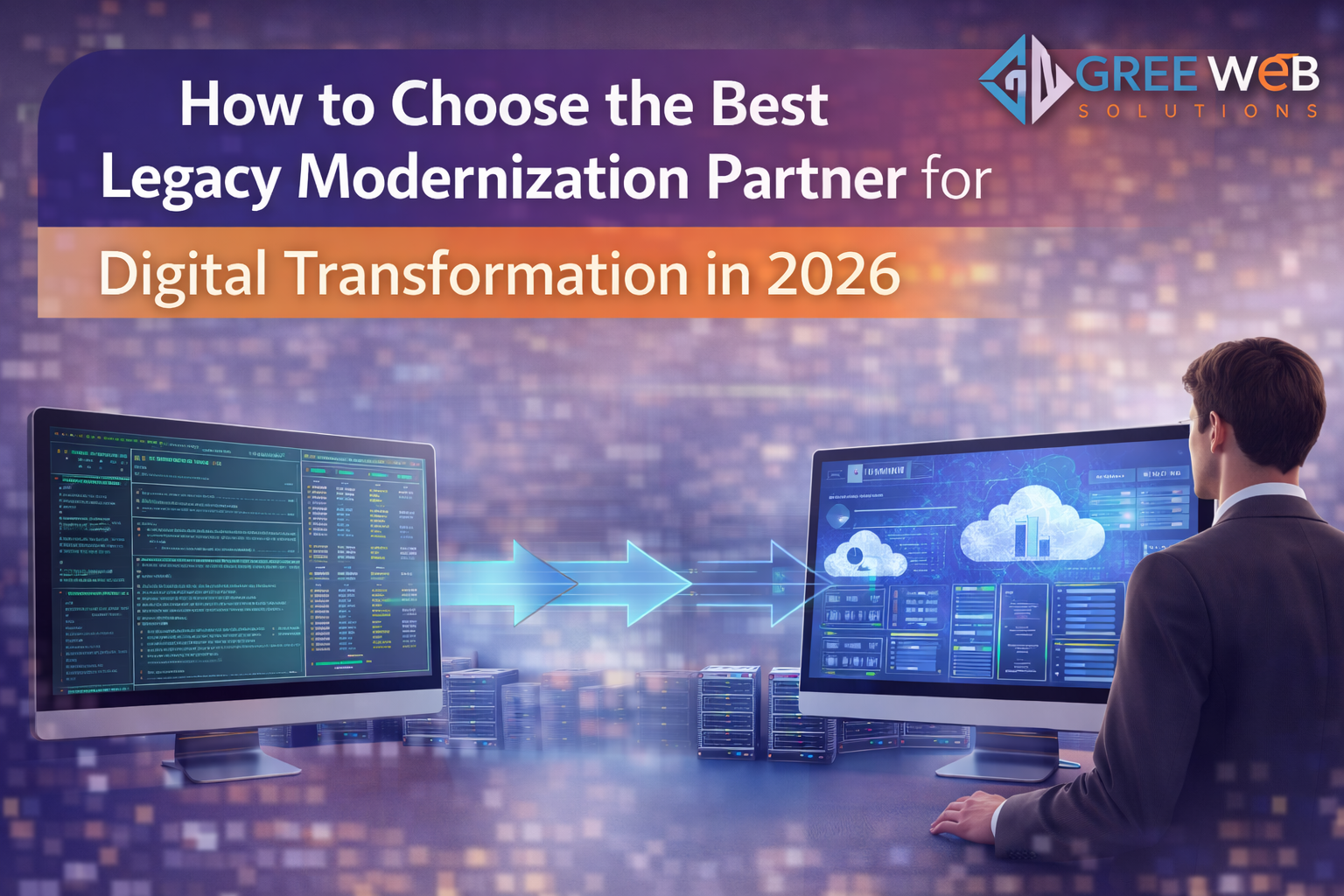
In today’s fast-changing digital environment, businesses can no longer rely on outdated systems. While legacy software may have supported operations for years, it often becomes a barrier when companies try to grow, scale, or innovate.
This is where legacy modernization becomes important.
The real challenge, however, is choosing the right company to handle this transformation.
With so many providers offering similar services, making the right choice can have a direct impact on your success. A good partner can simplify the process, while the wrong one can create delays and unnecessary costs.
Let’s understand how to make the right decision in a practical and straightforward way.
Legacy modernization is the process of upgrading or transforming outdated systems, applications, or infrastructure into modern and efficient solutions.
In most cases, this involves moving systems to the cloud, improving old code, integrating new technologies, and strengthening performance and security.
In simple terms, it helps businesses stay relevant and competitive in a digital-first world.
Not every modernization project delivers the expected results. Choosing the wrong partner can lead to higher costs, delays, security concerns, and disruption to business operations.
On the other hand, a reliable company ensures a smooth transition, reduces downtime, and builds systems that are ready for future growth.
This is why the selection process should be taken seriously.
Experience plays a major role in successful modernization.
A company that has handled similar projects understands potential challenges and knows how to deal with them efficiently. It is also important that they have experience in your specific industry, as different sectors have different requirements.
Looking at case studies and client feedback can give you a better understanding of their capabilities.
A good modernization partner should be comfortable working with modern technologies.
This includes cloud platforms, modern development frameworks, microservices architecture, and system integrations. The right technical foundation ensures that your system will perform well and remain scalable in the future.
Every business operates differently, so a one-size-fits-all solution rarely works.
Instead of choosing a company that offers standard packages, look for one that takes time to understand your goals and existing systems. A tailored approach usually leads to better results and smoother implementation.
A well-defined plan is essential for any modernization project.
The company should be able to explain how they will assess your current system, what steps they will take during migration, and how they will manage risks. A clear timeline and defined milestones help keep the project on track and avoid confusion.
Modernization often involves handling sensitive business and customer data.
Because of this, security should be a priority. The company should follow proper security practices and ensure that all systems comply with relevant regulations. This reduces the risk of data breaches and legal issues.
Your system should not only solve current problems but also support future growth.
A good partner will design solutions that are flexible and scalable. This allows your business to expand without needing major changes again in a short time.
Clear communication is essential throughout the project.
A reliable company provides regular updates, assigns a dedicated team, and remains available even after the system is deployed. Ongoing support helps address any issues quickly and ensures long-term success.
Different businesses choose different approaches depending on their needs.
Rehosting involves moving systems to the cloud with minimal changes. Refactoring focuses on improving existing code for better performance. Replatforming upgrades the platform without major redesign. Rebuilding means creating a completely new system from scratch.
Each approach has its own advantages, and the right choice depends on your business goals.
Even with proper planning, some challenges can arise.
Data migration can be complex, especially when dealing with large volumes of information. Integrating new systems with existing ones may require additional effort. Some teams may also resist change, and budget limitations can affect the scope of the project.
However, an experienced partner can help manage these challenges effectively.
Working with the right company can make a significant difference.
It can improve system performance, enhance user experience, reduce operational costs, and strengthen security. More importantly, it helps your business become more agile and ready for future growth.
Legacy systems may have supported your business in the past, but they should not limit your future.
Choosing the right modernization partner is not just a technical decision. It is a strategic move that can shape the direction of your business.
Take the time to evaluate your options carefully and choose a company that understands your goals and vision.
If you are planning to modernize your systems, working with the right technology partner can make the process smoother and more effective.
Start your digital transformation journey with a clear plan and a partner who can support your long-term success.
If you need any development support, you can https://greewebsolutions.com/get-quote/ to get in touch.
.png)
Connect with us for any inquiries, support, or collaboration opportunities.